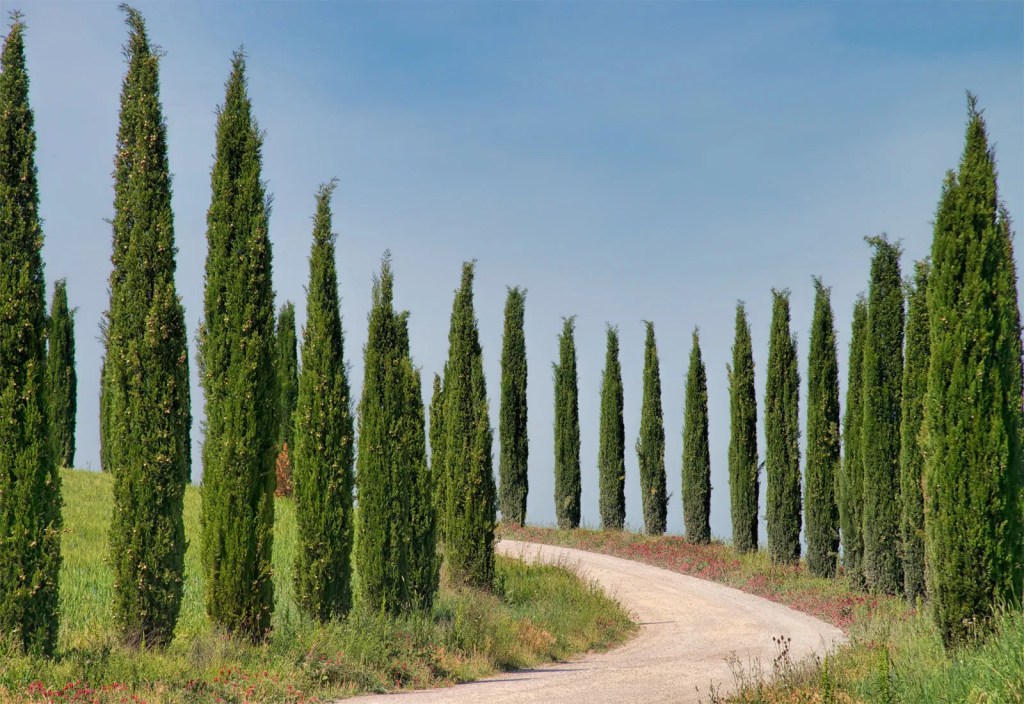
Cypress is an evergreen and nicely straight tree that is native to Iran. This tree is a symbol of resilience, immortality, and freedom in Iranian culture.
Because of all its gorgeous and meaningful characters, cypress inspired one of the oldest and most beautiful designs in art; the paisley pattern (tai boteh, buta, in Persian Boteh Jegheh).
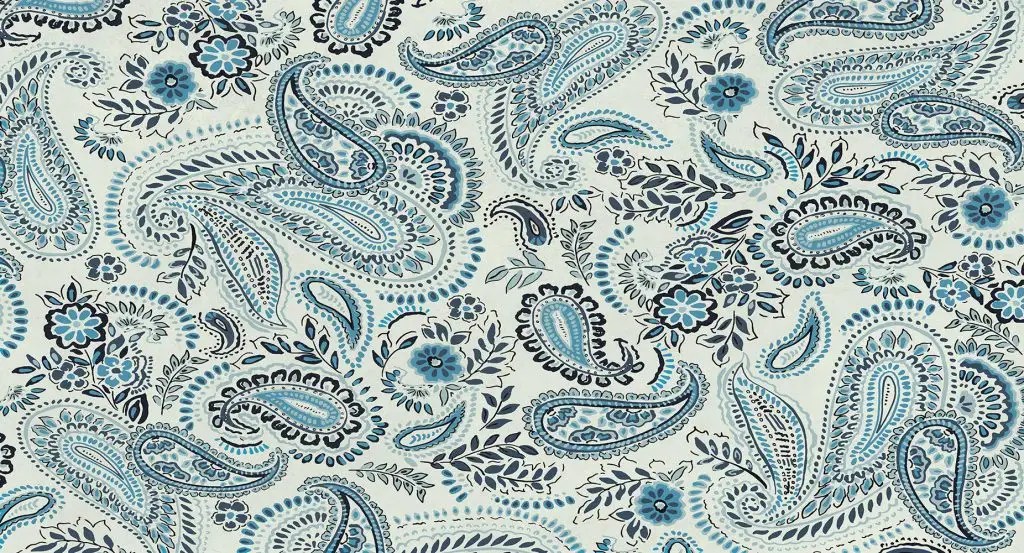
Photo credit: persiscollection
Cypress of Abarkuh
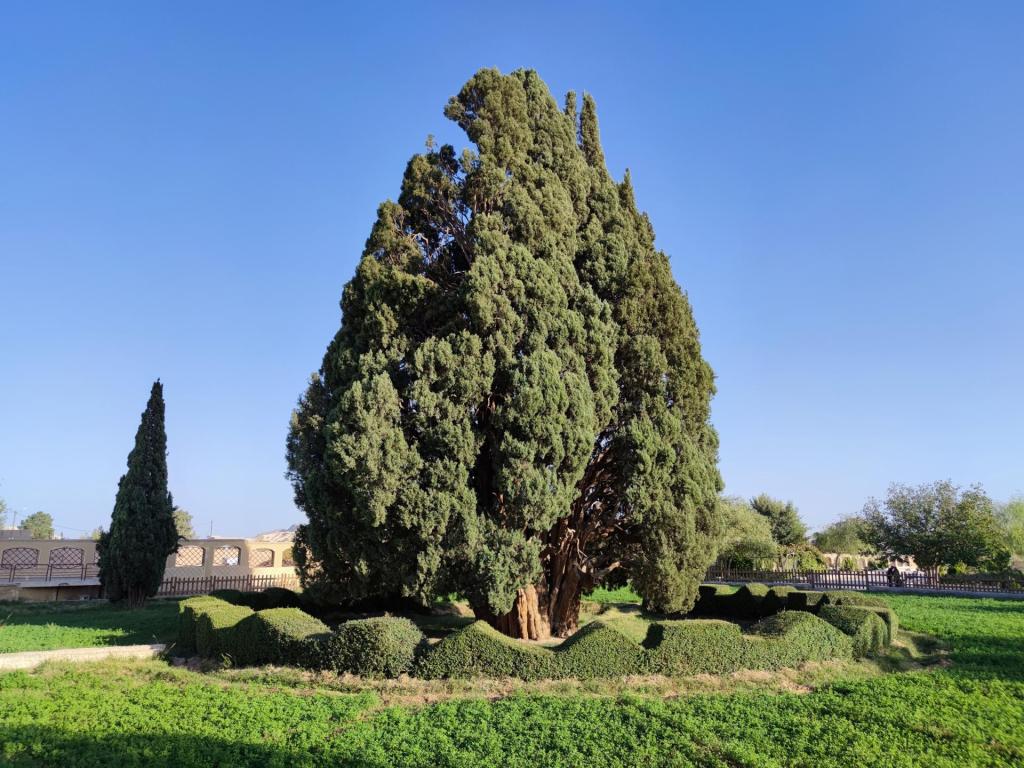
Yazd Province, Iran
Photo credit: neshan maps
Sarve-e Abarkuh (Cypress of Abarkuh), almost 4000 years old, is one of the oldest living organisms in the world. This tree is 25 meters in height with a trunk diameter of 4.5 meters
According to legend, the tree was planted by Zoroaster, the founder of the Zoroastrian religion. It is said that Zoroaster left to spread his teachings to an Iranian city towards Balkh and met Shah Vishtaspa. He stopped at Abarkuh and supposedly planted this tree (Wikipedia)
Paisely Pattern
Paisley is a detailed and curve-shape pattern with a history of almost 2,000 years, originated in Persia and inspired by the cypress tree. There are different narratives that try to explain why the cypress tree changed to a curve shape and made paisley motif. Some of them refer to the time when Arabs invaded Iran, 633 CE, and the simultaneous sadness and resilience the Iranians carried in their hearts at that time. Paisley represents the concept of
bending, but not breaking.
This pattern is used in fabric printing, embroideries, tile works, paintings, and some other forms of art. Some of the most magnificent samples of that can be found on Kashmiri Shawls, Ghalamkar fabrics, and Termeh.
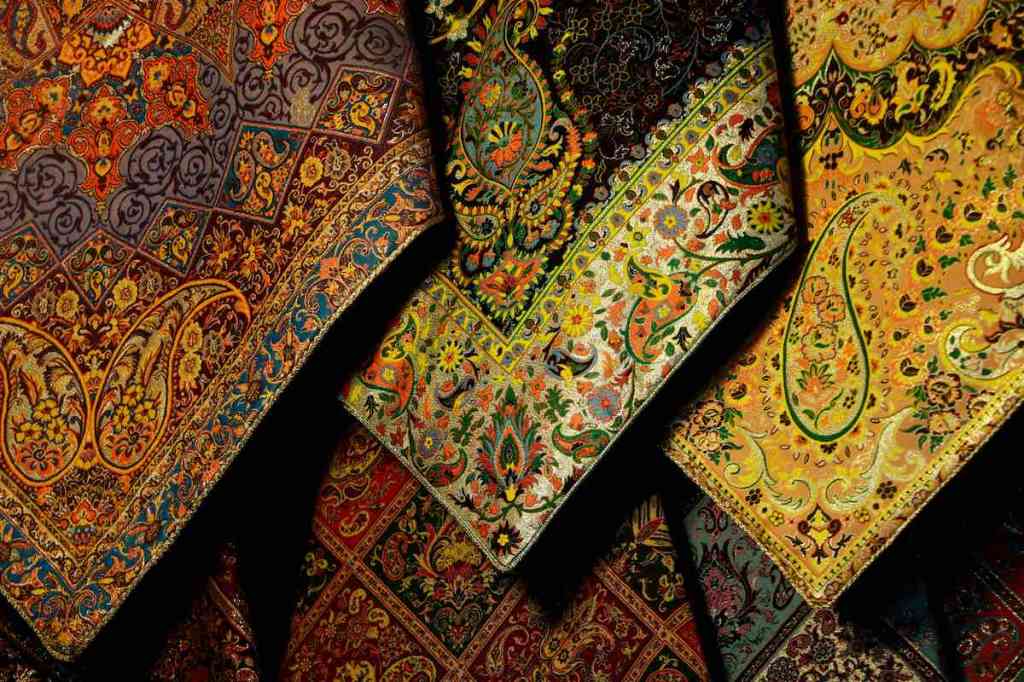
Photo credit: luxiders
Paisley is also one of the main patterns of Persian Carpet. In another pattern group, cypress trees without any change are woven both in the middle and the borders of the carpet. Both of these patterns are among the most traditional Persian Carpet’s patterns.
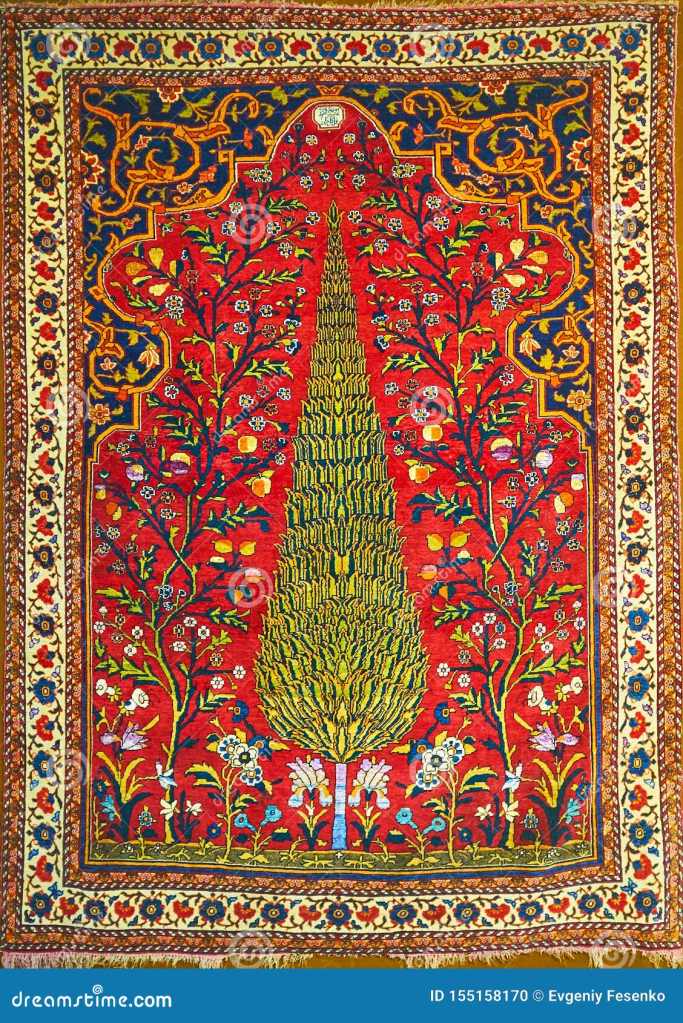
Photo credit: dreamstime
Paisley is one of the dozens of artistic patterns that are inspired by nature, where deepest human feelings in the shape of natural elements find their way to show up, with a louder voice and indelible forms, for the future, for eyes who see deeper and ears who listen further.
Find them around yourself, on the clothes, fabrics, home decorations, tiles… find them and try to hear their whispers.
 Wild Me
Leave a comment