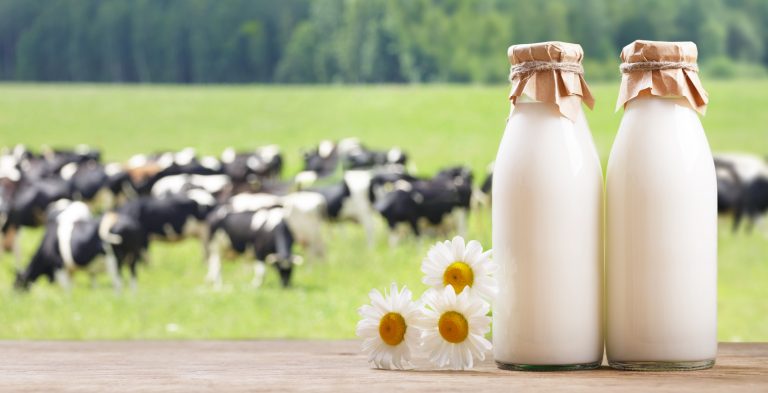

Humans have been consuming milk for almost 10,000 years, even before the genetic mutation for lactose digestion in adults. Milk and its products are consumed worldwide. But maybe country by country, it tells different stories, from Central Asian plains to Western Iran’s mountains, from oases of Africa to Nordic forests. Let’s have a journey together and take a look at this simple liquid a bit differently.
Sheep’s Milk, from Italy and Greek to Turkey
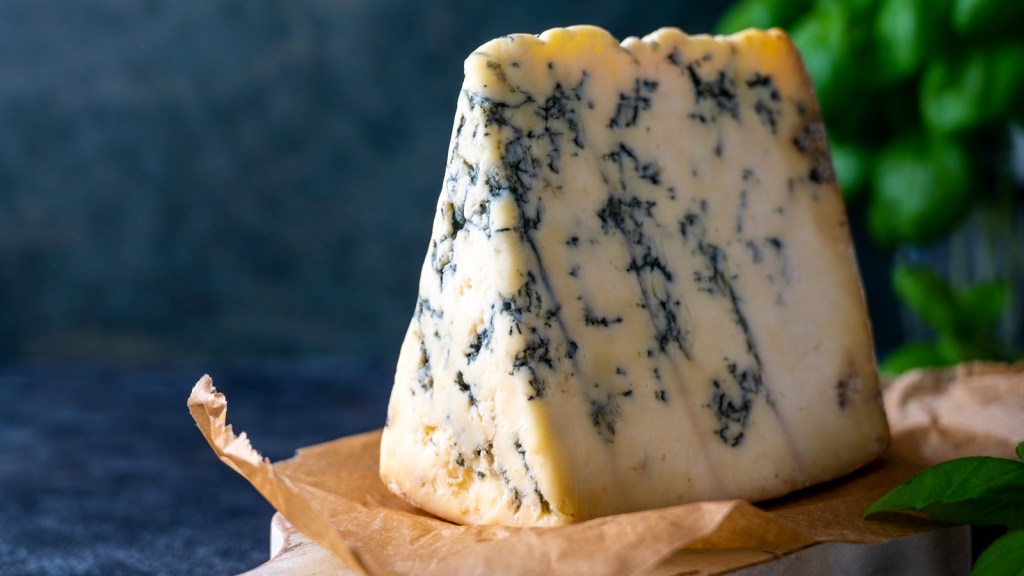
Photo credit: Tasting Table
Sheep milk is a nutrient-rich food. In comparison with cow milk, it has a higher level of fat, protein, essential vitamins, and minerals. Also, due to the low level of lactose and smaller fat globules, sheep’s milk is easy to digest.
This milk has a heavy taste, and because of its high amount of fat, it’s used for processing some of the most popular cheeses, like Greek Feta, Italian Pecorino Romano, and French Roquefort.
Sheep’s milk ferments quickly, because it has a high protein content. Maybe this explains why ancient Bulgarian warriors carried sheep’s milk in lambskin bags; probably the warmth of the warriors’ bodies caused the milk to ferment quickly, creating a nutritious and portable food source that sustained them during battle.
Buffalo’s Milk, from India and Pakistan to Egypt
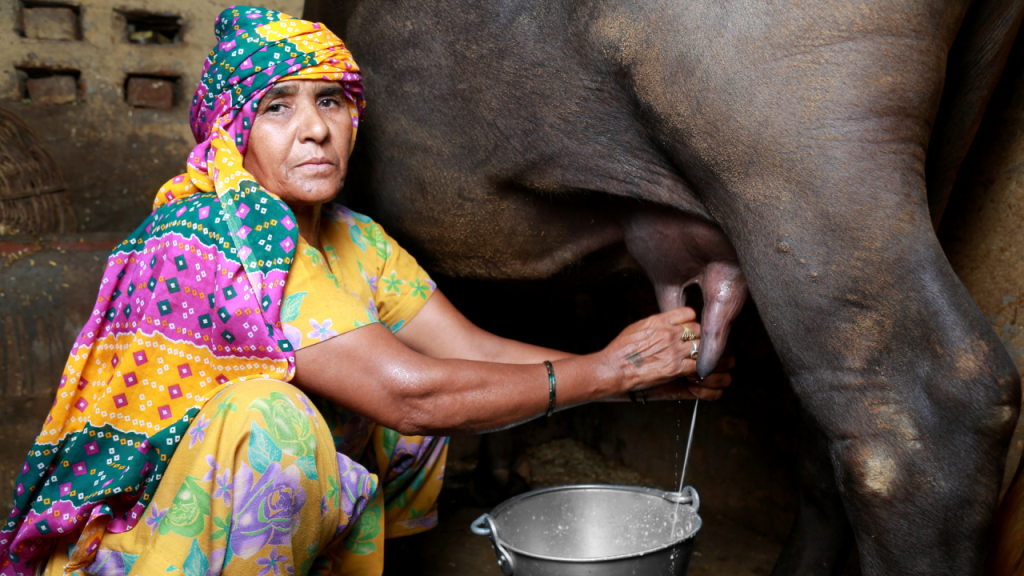
In comparison with cow milk, buffalo milk has a higher level of protein, fat, calcium, and a lower level of cholesterol. This milk has a heavy and creamy texture. All these make buffalo milk a very good choice for making many kinds of cheese and cream.
In India and some other Southeast Asian countries, buffalo’s milk is considered not only as a nutrient-rich food, but also an important part of the culture. In some cultures, this milk symbolizes wealth, power, and life’s passion.
Camel’s Milk, from Saudi Arabia to Northern Africa
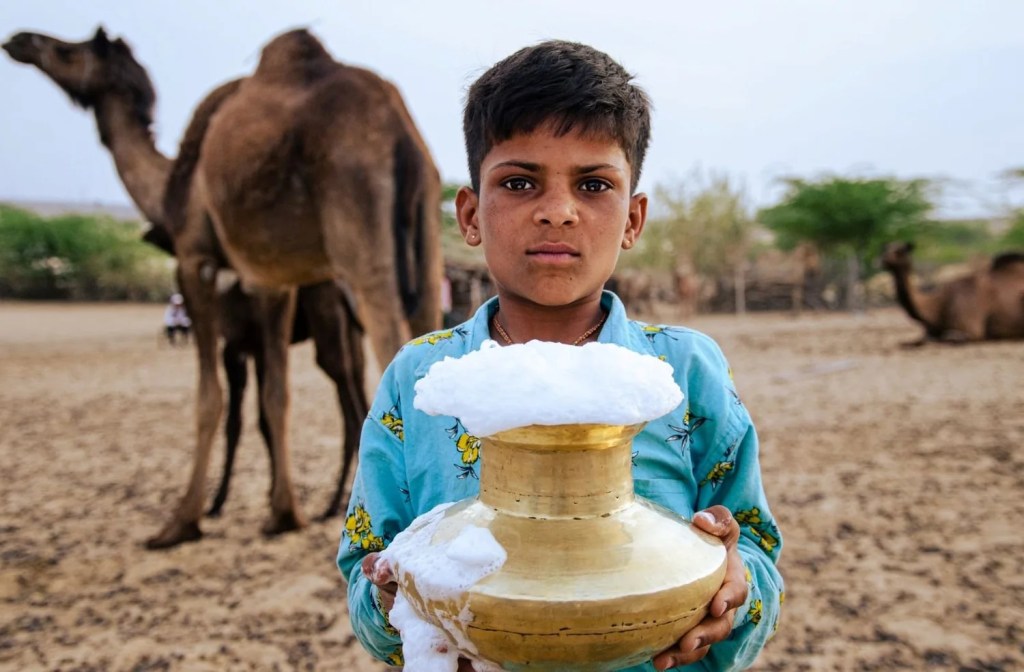
This is one of the oldest beverages in the world; not only a food but also a symbol of God’s blessing, patience, and mercy among the desert dwellers.
Camel milk has less lactose than cow milk, so even people with lactose intolerance can tolerate this milk. Camel’s milk is a source of healthy fats, with potential benefits because of its antimicrobial properties.
With its natural sour and salty taste, camel milk is used for making fermented yogurt and buttermilk.
Goat’s Milk, from Mediterranean to the Middle East
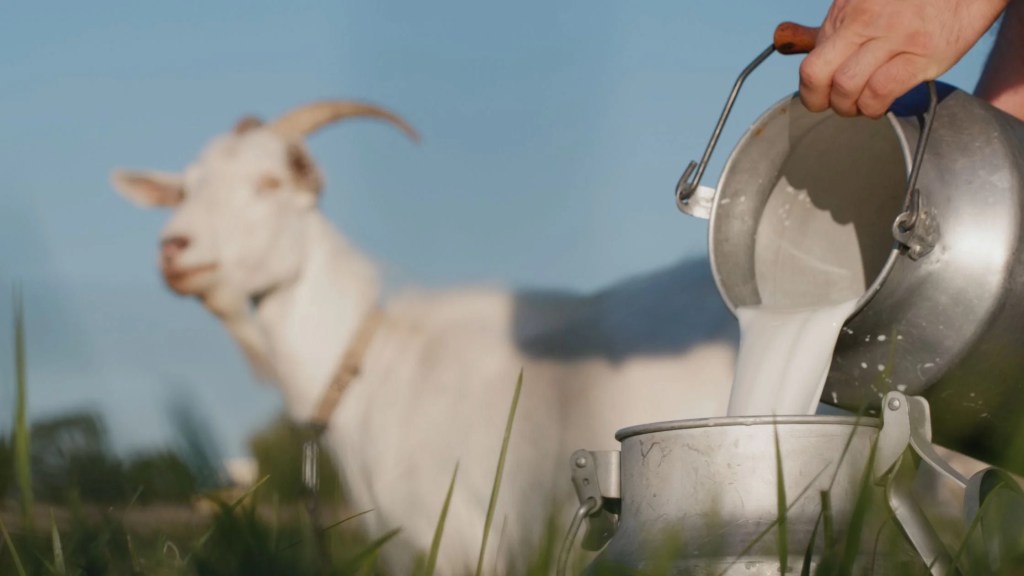
Probably some of the most attractive cheeses that you know are made of goat milk (chèvre), like halloumi and some kinds of feta. Goats were the first animals to be domesticated for milk. Goat milk contains less fat than cow milk; moreover, fats are simpler to digest, so this milk is so useful for children and the elderlies.
In the mountains of the Mediterranean, the Middle East, Africa, parts of Asia, Greece, Italy, and Turkey, goat’s milk is a symbol of simplicity and rural life.
Goats are resilient animals; they easily climb the mountains, and in those areas they find more specific plants and feed on them. That’s way goat’s milk is more valuable than other milks in terms of quality and nutritional value.
Mare Milk, from Kyrgyzstan to Siberia

Photo credit: Reuters
In the vast plains of Middle Asia, horses were always good company for nomads. In the spring, when the mares have just given birth, they get milked. Then milk is stored in wooden containers to ferment. The final product is a fermented, sour and carbonated beverage which is known as Kumis.
Mares milk contains less fat than cow milk, but more whey proteins and lactose. Among all animal milks, mare milk, along with camel milk and donkey milk, have the most similarities with human milk in composition.
Yak Milk, from Mongolia to Tibet
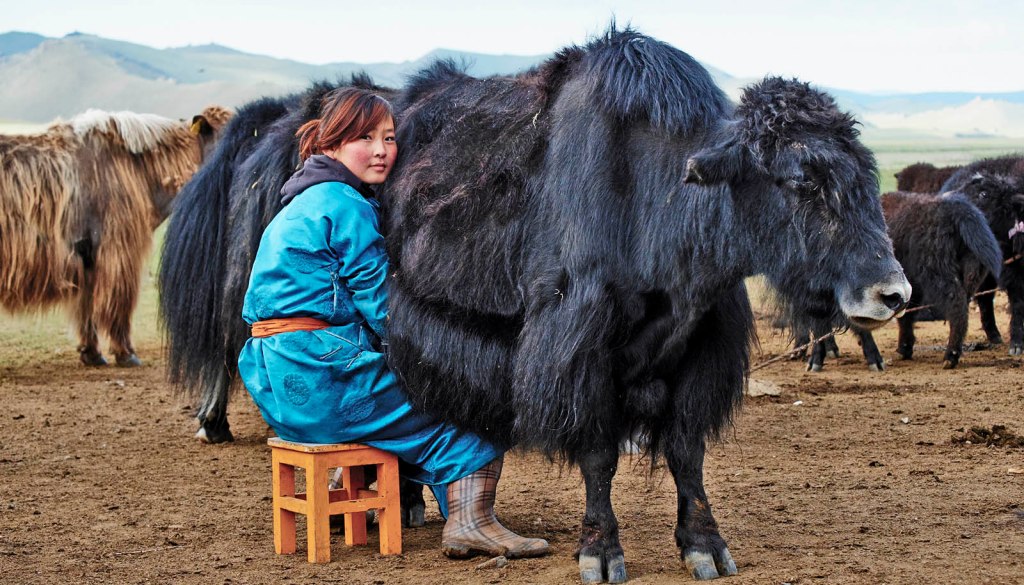
Photo credit: Futurity
Yak milk is a nutrient-rich food, and it has higher amounts of fat, protein, and calcium than cow’s milk. Yak’s milk has a creamy texture with a white, yellowish color. This specific composition makes this milk a very good source of food in cold mountainous regions of Tibet, Mongolia, Nepal, and China.
In the Himalayas, yak’s milk is used to make a traditional, protein-rich snack-cheese, known as Chhurpi (dried cheese). In Tibet, they use yak’s milk to make Yak butter tea, a traditional beverage made from yak butter, black tea, and salt. In Buddhism also, yak butter is used to light temple lamps as a natural source of energy.
Reindeer Milk, Northern Europe to Russia

Reindeer’s milk is a very nutritious milk, containing a high amount of fat, protein, vitamin A, and D. This milk is especially popular in Lapland, Finland, Sweden, Russia, and Mongolia.
Due to its strong flavor, reindeer’s milk is mixed with water when it’s used freshly. The high fat and protein content makes this milk perfect for producing products like cheese, butter, yogurt, and ice cream.
In Finland, reindeer’s milk is used for making a kind of cheese known as leipäjuusto (bread cheese – Finnish squeaky cheese), which has a chewy texture and speckled surface like bread.
Cow Milk, from east to west

The most familiar and popular milk in the world is cow’s milk. It was around 9,000 years ago when humans started using cow’s milk, according to the evidence, for the first time in Mesopotamia.
In a single glass (about 240 ml) of whole cow’s milk, there is almost 8 grams of protein, 8 grams of fat, 306 mg of calcium, and 374 mg of potassium.
In Hinduism, the cow is a sacred animal, symbolizing abundance and non-violence, partly due to its association with the god Krishna, who was a cowherd. So in Hinduism, cow’s milk is deeply respected and known as a gift from the gods.
Milk, this Simple but Universal Ingredient
Milk, in many cultures, has a deep connection with simplicity, life, and kindness. It comes from the most alive part of nature, from the body that has given life to another. It has a deep concept of love and care within itself. Milk is nutritious, healthy, and healing. Let’s try it in its different versions, if the opportunity arises.
Ps. This article is inspired by a scientific book I co-translated in 2015, titled “Review on the Composition of Milk of Different Farm Animals.” That project sparked my curiosity about the cultural and biological facts behind this interesting ingredient.
 Wild Me
Leave a comment