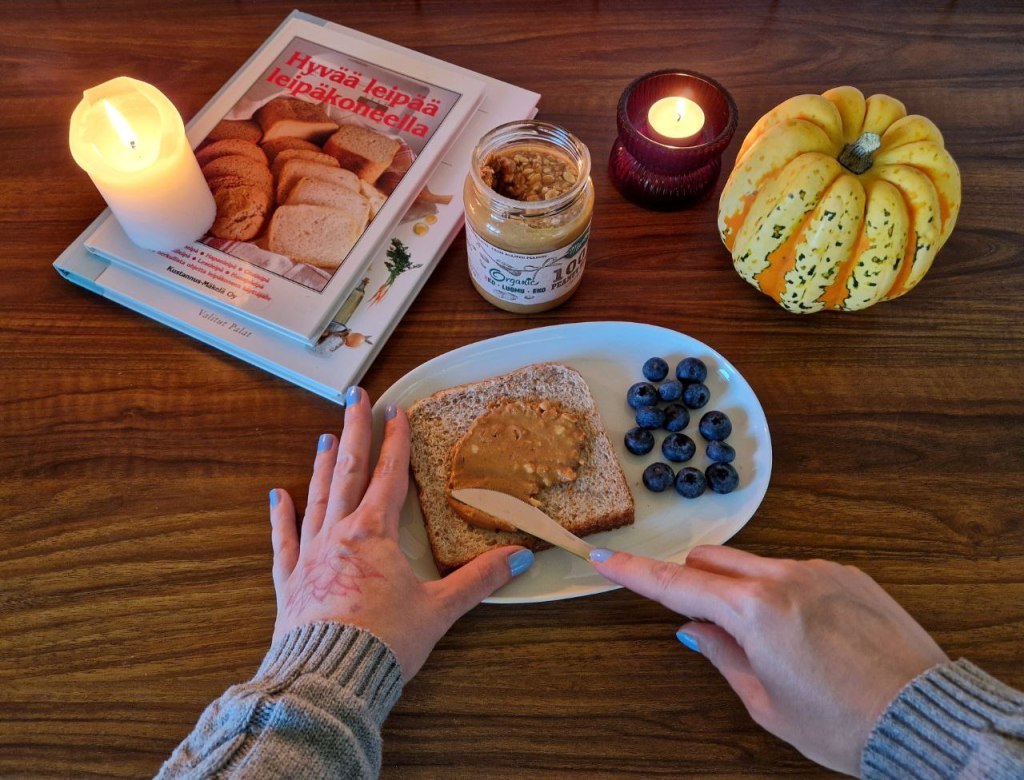
The pleasant smell of peanut butter on a slice of bread, the mild salty taste of a pistachio, or the glassy yellow color of corn kernels before they turn to warm and crispy popcorn.
How do these products come to our home safe and healthy like this?
The farmer who cultivates nuts and grains knows them well: the tiny but dangerous organisms that millions of them live in each square meter of his farm. Aspergillus flavus is a kind of fungus that lives in hot and humid areas. Under their favorable condition, they can easily produce aflatoxin, a very dangerous fungal toxin (mycotoxin). Aflatoxin, nowadays, is one of the most important challenges in the farming section and the food industry.
What is Aflatoxin?
Aflatoxin is a toxin produced by some species of fungus, mainly by Aspergillus flavus. This fungus lives naturally in the soil, especially in hot and humid areas. Like all other kinds of fungi, this fungi also helps ecosystem by decomposing organic matters and makes the soil rich and sustainable.

Photo credit: enfo
But! they love oily and high-carbohydrate products, like peanuts, pistachios, corn, and some kinds of grains. So, by finding any opportunities, they easily contaminate these products, both on farmlands and in warehouses.
And what are these opportunities?
- when the products are under heat or water stress in farmlands
- when they receive too much humidity during long and improper storage time
- when they are physically damage

Photo credit: Food Safety Training Certification
Why is Aflatoxin a challenge in farming and food Industry?
This toxin is closely linked to liver cirrhosis and liver cancer, as well as growth retardation in kids. It means that long-term exposure to this toxin leads to serious health issues.
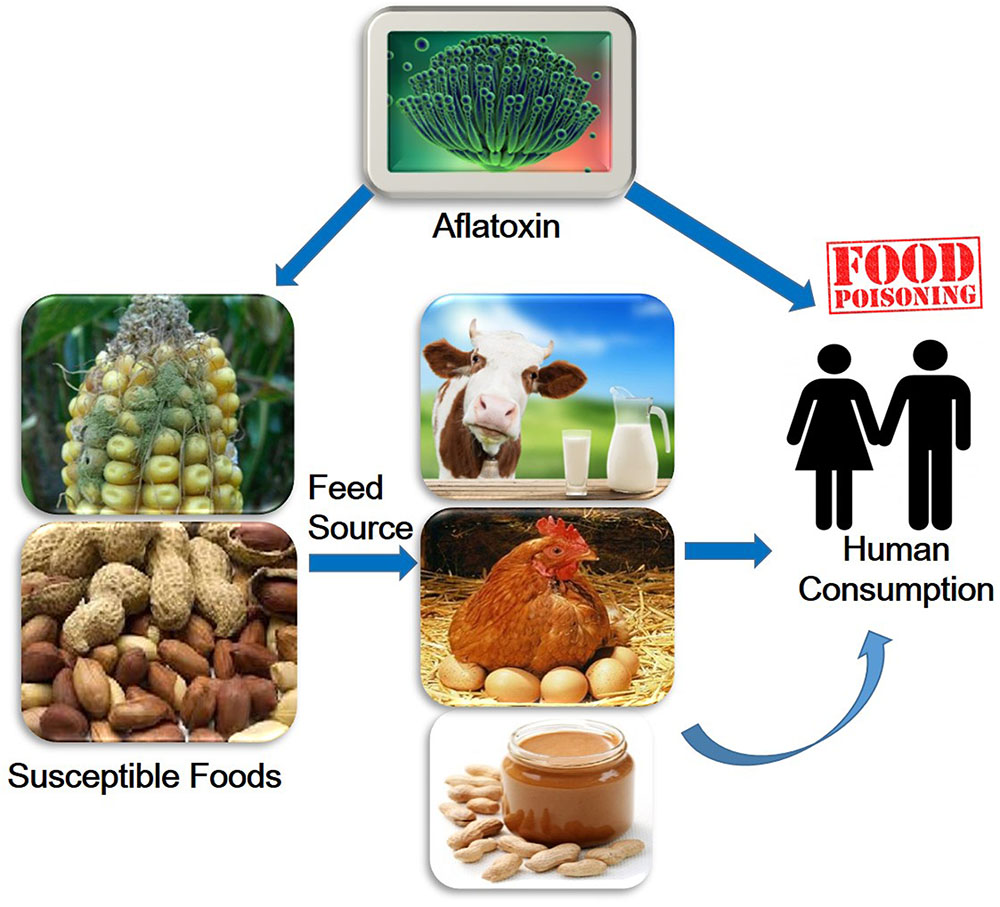
Aflatoxin B1 (AFB1) is the most important kind of aflatoxins which is related to liver cancer in humans.
Photo credit: frontiersin
As our subject products are mainly produced in hot and humid regions, like African and East-Asian countries, and also, because they have a long storage time, they are highly potential getting contaminated by aflatoxin.
But the story doesn’t end here; the farm animals that are fed with aflatoxin-contaminated corn also can deliver this toxin to us, whether through their meat or their milk.
So what action is being taken in this regard?
Fortunately, nowadays there are precise and strict standards for measuring the amount of aflatoxin in agricultural products.
Let’s see what exactly is being done for that! For this purpose, we accompany peanuts in a farmland on their journey from the soil to our kitchen!
The nuts are sleeping under the soil, where is warm and comfortable. But they are not alone there, millions of microorganisms are also working hard in the soil, among them, Aspergillus flavus as well!
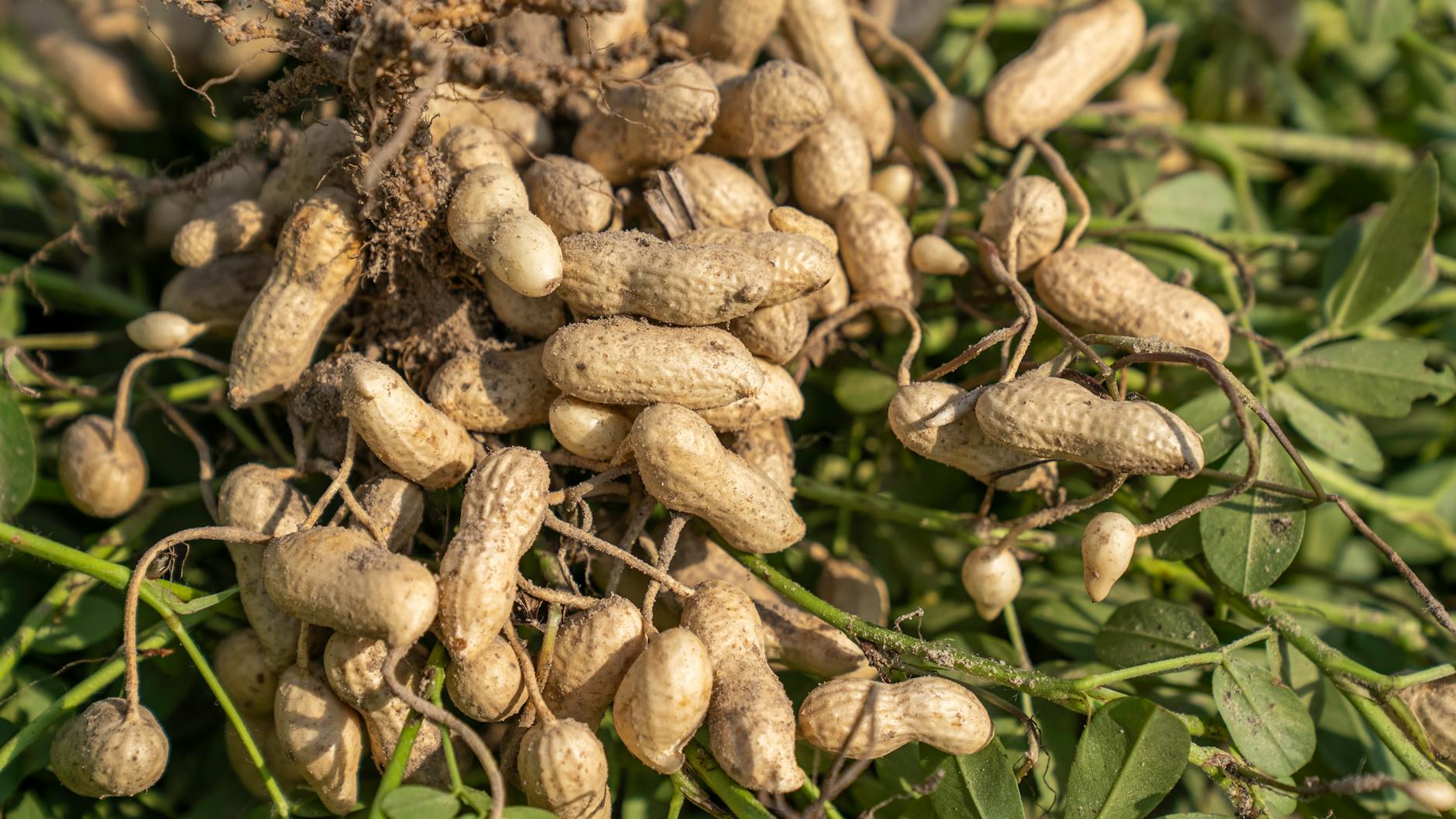
It’s a hot summer, the temperature is so high, and the soil is too dry. Seeking more moisture and nutrients, the fungi move from the soil towards the peanuts. Now, Aspergillus is in a safer place, quite near our peanuts! Well, still it’s not a big deal! The fungi have not started to produce toxins yet.
But, if the tension continues, Aspergillus starts to produce aflatoxin, protecting its territory and staying alive.
Now, some of the peanuts on the farm are contaminated.
In harvest time, regional sampling will be done, so contaminated products will be removed at this stage and healthy products will go to the warehouses.

During the storage time, careful monitoring will be taken, also the temperature and the moisture are always under control!
Now it’s time for peanuts transferring to processing factories, where the products are thoroughly examined, their moisture content is reduced to 7-8%, and suspicious products will be removed. Finally, several tests will be done to make sure all of the remained products are quite free from contamination.
At the end, healthy and high-quality peanuts will be sent to the factories to get processed and turned into final products.
Now, sunny-yellow corn kernels, salty and crispy peanuts, and delicious creamy peanut butter are ready to come to our kitchens.
Please, enjoy your snacks!

Thanks to exact inspections and measurements, and numerous cares, from the farmlands to the supermarkets’ shelves, nowadays we can enjoy eating these products with peace of mind.
But, the next time you had your peanut or popcorn bowl in your hand, pause for a moment, look at them, and just remember what a long way they have passed to be in your home now!
Ps. This text draws on my background translating more than seventy scientific articles (2011 – 2012) focused on aflatoxin contamination and food safety. It aims to make this complex topic accessible to a broader audience.
 Wild Me
Leave a comment