
Probiotics are beneficial microorganisms that naturally exist in our gut and play key roles in maintaining digestive health. These “little soldiers” help us with food digestion, strengthen the immune system, and improve metabolism. However, some factors, like certain medications, poor eating habits, lack of sleep, or illness can disrupt the balance of these good microorganisms. Consuming probiotics through specific foods can help maintain this balance and lead to a healthier life.
How Do Probiotics Help Us to Improve Our Digestion?
Probiotics maintain a balance between good and bad bacteria in our the digestive system. They promote the growth of beneficial bacteria while controlling the growth of harmful bacteria. Additionally, probiotics are essential for breaking down food particles in the gut and allowing the body to absorb nutrients more efficiently. They also help regulate bowel movements, preventing common issues like diarrhea, bloating, gas buildup, and stomach pains.
How Do Probiotics Boost Our Immune System?
Probiotics play an active role in enhancing the body’s immune responses against infections. These cells not only protect the body against diseases but also speed up immune responses.
It’s important to note that a large portion of our immune system is located in our gut. Therefore, keeping a healthy balance of probiotics can strengthen the immune system.
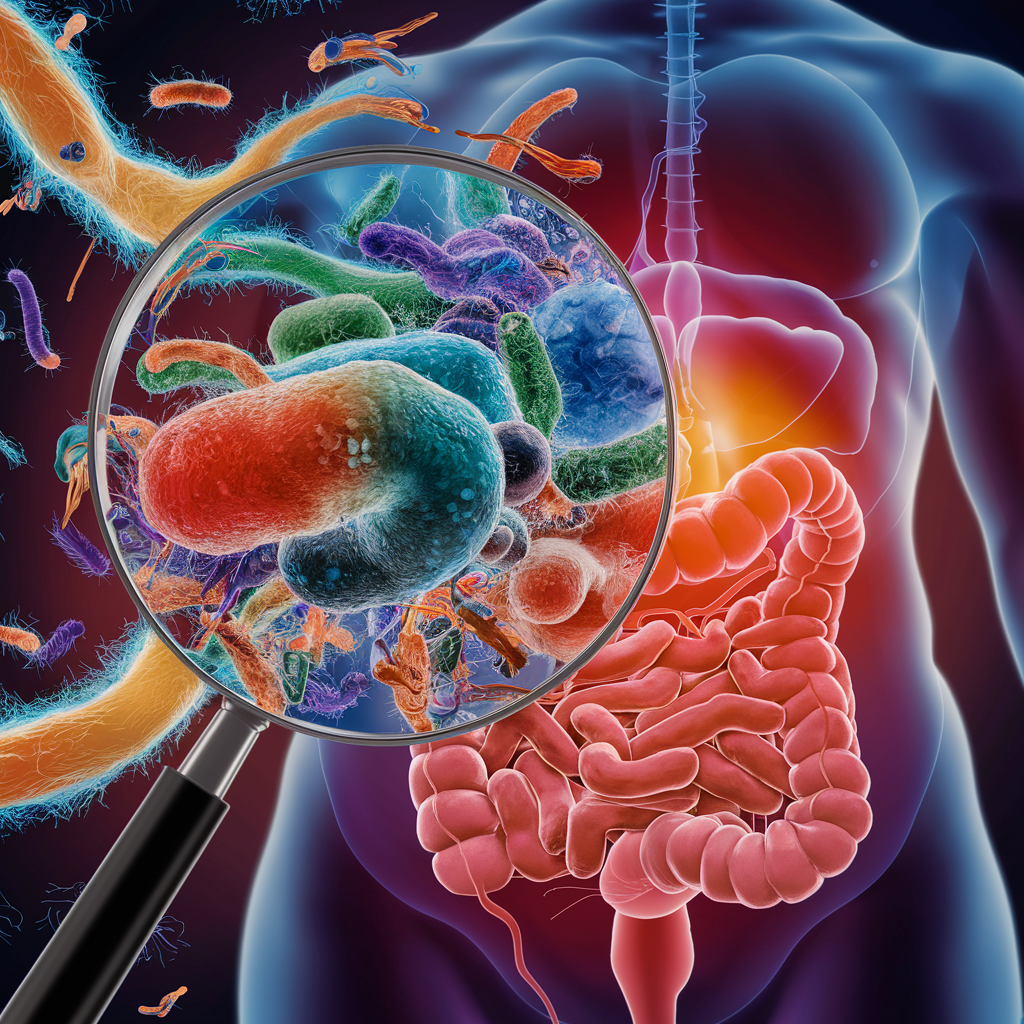
70% to 80% of our immune cells are located in our gut! Concluding that to have healthy gut means to have stronger immune system.
How Some Foods Increase Probiotics in our Gut?
This can happen in two major ways:
- sometimes we eat these “good bacteria” with our food, they will be located in our gut and then start their work, as loyal soldiers, to defense our body against pathogenic factors.
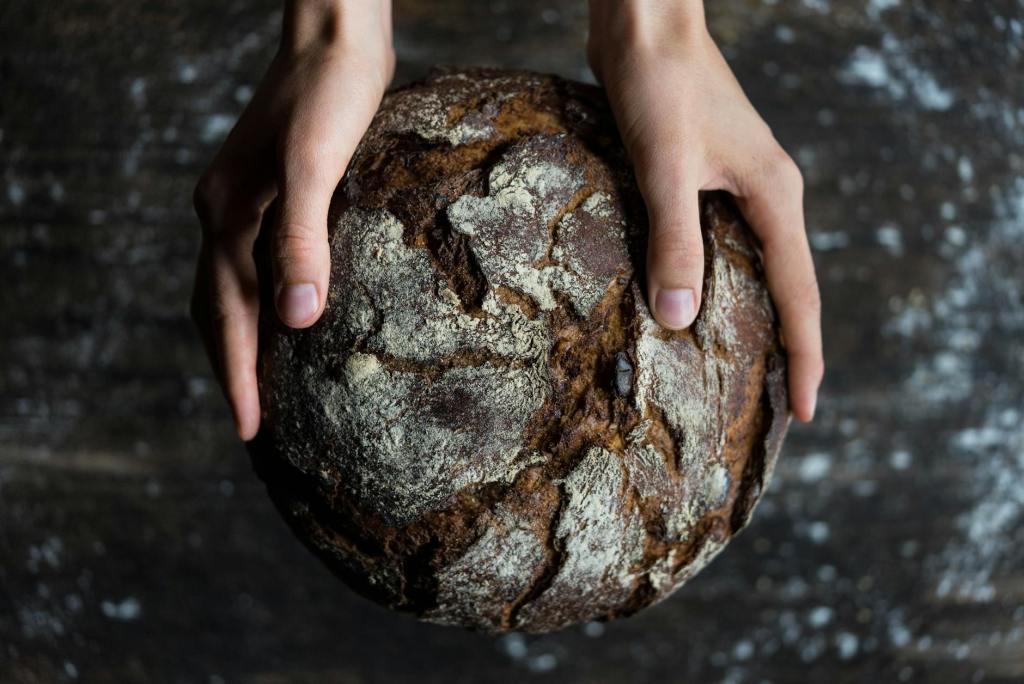
- sometimes we eat foods by themselves don’t t have probiotics, but they contain ingredients that promote the growth of probiotics in the gut. These foods are known as prebiotics, and sourdough breads, like Finnish hapanjuurileipä, are well-known source of them.

Are Probiotics Good for Everyone?
While probiotics are generally safe for most people, some individuals may need to be cautious about them. Healthy individuals, especially those like to get ride of common digestive issues, for example, bloating, diarrhea, or constipation, can benefit from including probiotics in their diet. However, people with weakened immune systems (due to certain medications or gut surgeries), and those with specific health conditions (such as pancreatitis) should consult their doctor before adding probiotic products and foods to their diet.
Where Can We Find Probiotics?
Before answering this question, it’s important to note that, according to Harvard Medical School, you don’t necessarily need to take probiotics daily, but it’s good to include them in your diet as often as possible.

You can take probiotics from the following foods:
- Kotikalja (traditional Finnish low-alcohol beer)
- Yogurt
- Buttermilk
- Cottage cheese
- Kefir (fermented milk drink)
- Kimchi (Korean spicy side dish)
- Pickles
- Natto (Japanese food)
- Kombucha (fermented green tea drink)
Finally…
Probiotics are a group of bacteria and yeasts that play a crucial role in maintaining both digestive and immune system health. These beneficial microorganisms help the body to absorb more nutrients from food and prevent common digestive issues like bloating, diarrhea, and constipation. By keeping a balanced population of probiotics in our gut, we also strengthen our immune system. While some people may need to use probiotics with caution, most individuals can enjoy the numerous benefits that they have. Adding probiotic-rich foods like yogurt, pickles, and kefir to your diet is an easy way to improve your gut health.
PS. The links are shared in this piece only as references for further information and are not sponsored or promotional.
 Wild Me
Leave a comment